

Rooted at Raw: From the Live Room to the Boardroom
By S.D., Multidisciplinary Artist, Advocate and Trustee at Raw Material — organised when required, observant by default.
One Foot in Front of the Other
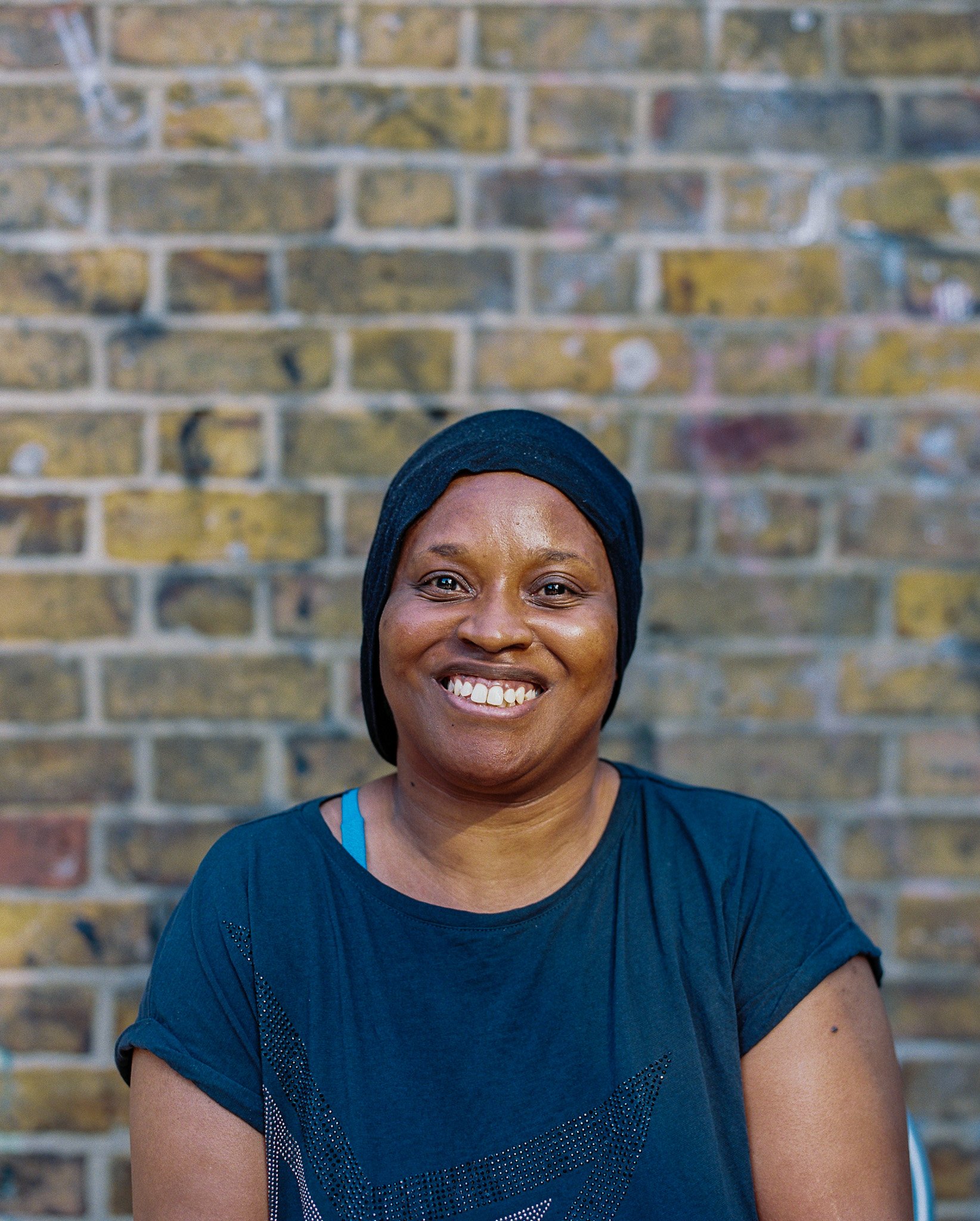
Stability not guaranteed…
Where to start? Some say the beginning is best, so we’ll go from there and see where we end up, shall we? I’ve been involved with RM for 15 years — first as a participant, then as a volunteer mentor, and now as the longest-serving Trustee on the board. In 2011/12, my vocational officer referred me to the Raw Sounds programme as part of a mental health support package. I arrived hobbling — Phil and Grant keeping me upright — with my anxiety at a ten. I had spent years slowly sinking into depression without realising it. Days blurred into weeks, months, and then years. I rarely left the house except for medical appointments. The surgery didn’t work out, and I was left without the tailored treatment and support I needed. I clung to a basic routine so my brain wouldn’t go numb, but otherwise I shut down. I missed family gatherings because I couldn’t find the words to express what I needed. Through all of that, music spoke to me when no one else could. At my first Raw Sounds session, I was finally able to use my own voice, in my own words. It gave me a way out of the gloom that had wrapped itself around my days. I struggled at first. Everything felt busy and loud, so I often escaped to the music production lab or the upstairs studios, which are still my happy place. I learned Logic Pro and grew comfortable in the recording booth, supported by people who gave their time generously. This wasn’t music therapy; it was — and still is — music as therapy. That distinction continues to sit at the very heart of Raw’s ethos. I played my first live gigs with fellow creatives who quickly became friends and collaborators. One track in particular, “Helluva Day,” still makes me smile.
Curating Self-Reflection — Why It Matters
Fast forward to 2014. I was invited to join RM’s Artist Development programme. This is where I developed a production style that felt like my own — but it’s also where I learned how to reflect on my work, my role, and my responsibilities within a collective.
“AD Fridays” became part of my rhythm — booming bass lines, pens moving across paper, laughter and camaraderie gradually turning into finished work. The focus wasn’t just on output, but on process: paying attention, listening, and understanding how individual voices sit alongside each other.
Through workshops, rehearsals and collaborative projects, I strengthened my technical skills and artistic voice, while also learning how to work in ways that centred collective growth. The real learning often happened around the work — in rehearsal rooms, in conversations afterwards, and in noticing how decisions affected others.
That habit of reflection stayed with me. Learning to question, to listen, and to think about impact within a group didn’t just shape me as an artist — it prepared me to contribute thoughtfully beyond the studio. The skills I developed here translated directly into how I later approached governance, representation and responsibility.
Raw gave me space to experiment without fear and the framework to understand myself within that experimentation. Over time, I grew more confident not just in what I made, but in how I showed up — a confidence that would eventually make stepping into leadership feel possible.
Lived Experience on Board
At some point in my journey, I was asked to represent the views and opinions of Raw Sounds members in board meetings. I took the opportunity tentatively and sat in to listen to the inner workings of the charity. About a year later, I was approached about becoming an official board member.
At the beginning of my time at Raw, the possibility of being in a leadership role felt remote. Over time, through encouragement, responsibility and growth, that possibility became achievable.
I didn’t feel qualified. Looking back, lived experience was the qualification.
When we discuss strategy, funding, refurbishment and long-term planning, I think about the version of me who needed somewhere to hobble into and feel safe.
Raw making creativity tangible isn’t a concept to me — it’s been a long, ongoing practice. And I’ve come to understand that creativity doesn’t only live in the art itself — it lives in the connections that quietly shape what comes next.
The Art of the Side Conversation
In 2021, during a songwriting session — yes, I still attend programmes even as a Trustee — a simple side conversation changed my trajectory.
I expected to talk about not feeling like enough, about shifting access needs and taking up space. Instead, I was told plainly:
“You’re smart. Just do it.”
Two emails landed in my inbox the following week that shifted my direction. Those emails led to more connections, and those connections opened new creative routes for me — ones I hadn’t expected to take.
I am now working with other mediums because of those connections. Digital collage has become another way to layer meaning and tell the truth sideways, especially when a straight explanation doesn’t land.
Long-form creative writing gives me room to stretch an idea out fully, to sit with complexity, and to say what disability can look like without sanding it down for comfort.
Somewhere along the way, those practices stopped being “just trying something new” and became a form of quiet advocacy — creating the work, shaping the message, and letting the art hold the parts that don’t always fit neatly into conversation.
That conversation with Eve lit a match that’s still burning, lighting the way for me to mix and match my creative endeavours to create new work and experiences.
Building Transformation 2.0: Capital Gained, Access Granted
One of the most significant milestones during my time as a Trustee was the refurbishment of the building.
I served as Accessibility Consultant during the refurbishment — using lived experience to make sure dignity and access were built in, not bolted on.
We were, of course, working with an existing building and all the structural quirks that come with it. Not every wall was going anywhere. Not every idea was structurally possible.
But accessibility isn’t about fantasy buildings — it’s about making the best, smartest choices within the one you actually have.
My role was to ask the slightly awkward but necessary questions early and often.
How will this work in real life?
Who gets stuck here?
What happens when multiple needs overlap?
I fed into layout decisions, spatial planning, how rooms connect, and how people move through the space — not just how it looks on a drawing.
Accessibility isn’t always about grand gestures. More often, it lives in sightlines, seating, signage, and the small decisions that quietly determine whether someone feels welcome or just technically allowed in.
Being part of those conversations felt like closing a circle; the person who once needed somewhere safe to hobble into was now helping make sure others don’t have to think twice about getting through the door.
Even as a Trustee, I continue to benefit from RM’s support — creatively, personally and professionally. The impact of being involved with Raw hasn’t just been short or medium term. It has shaped my long-term goals, strengthened my confidence in leadership, and expanded what I believed was possible for myself.
Being a Trustee is stewardship.
It’s protecting a space that protected me.
Acknowledgements
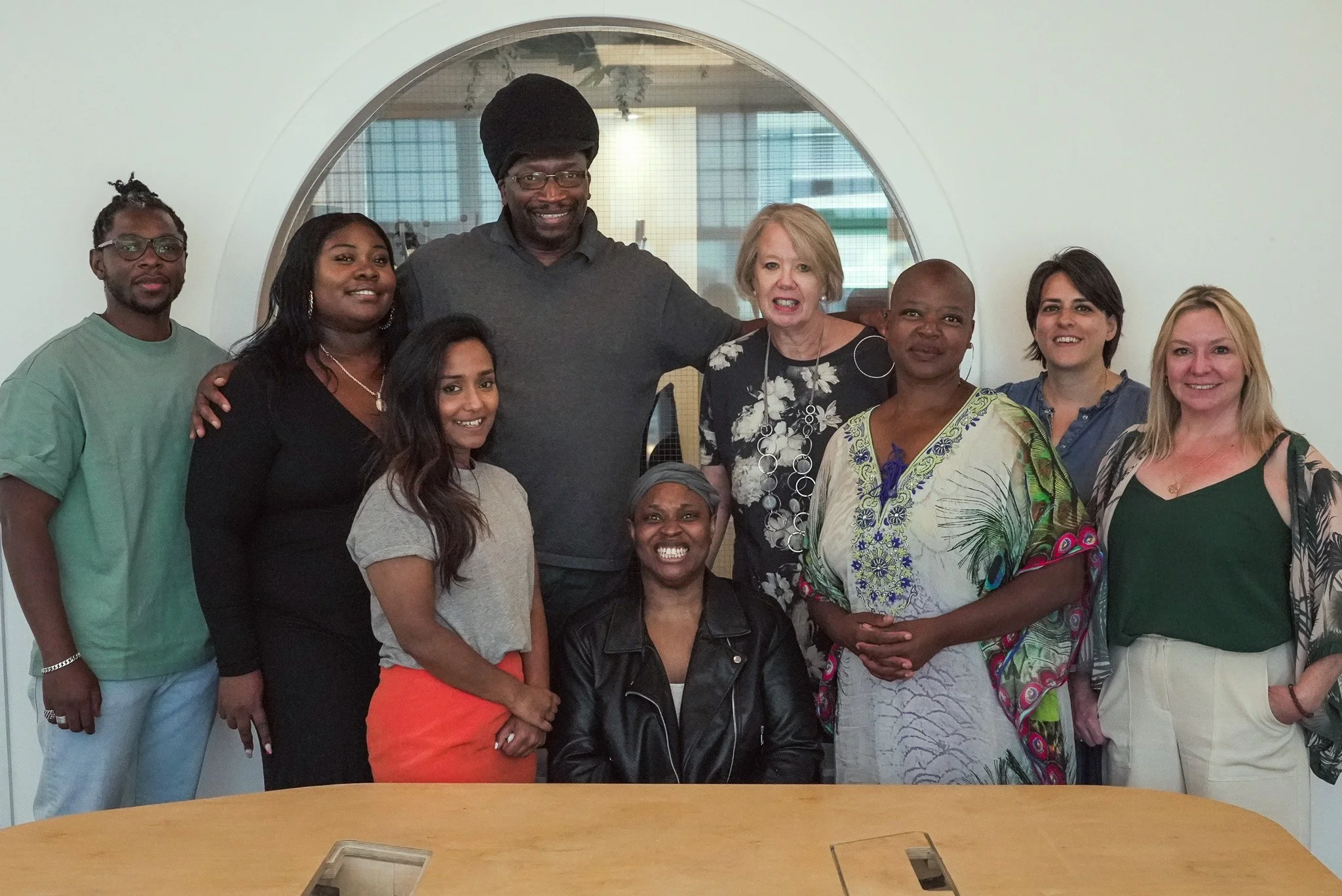
Before I close, I want to acknowledge the people who carried me through this journey. If I tried to name everyone, this would become a book rather than a blog — but know that every rehearsal, every one-to-one, and every quiet word of encouragement made a difference.
To the facilitators who gave their time generously.
To the fellow creatives who became collaborators and friends.
To Collin, whose musical direction still shapes how I write and arrange.
To Eve, for the side conversation that lit a match I’m still carrying.
And to the staff and board members — past and present — who trusted me with responsibility before I fully trusted myself.
This journey was never built alone.
My journey with Raw reflects what is possible when organisations invest in people holistically.
Fifteen years later — with Phil and Grant still doing their bit — I’m still here.
S.D.