

The Mending Room
The Mending Room is an innovative participatory action-research strand of the 4Cs programme, led by Tony Cealy.
The project brings together young people, parents, health professionals, and adults with lived experience of systems such as CAMHS, education exclusion and community mental health services. In the Mending Room, participants become the Menders, using their talents, skills and knowledge working together to explore how pathways to Improved mental health and wellbeing could be reimagined and redesigned.
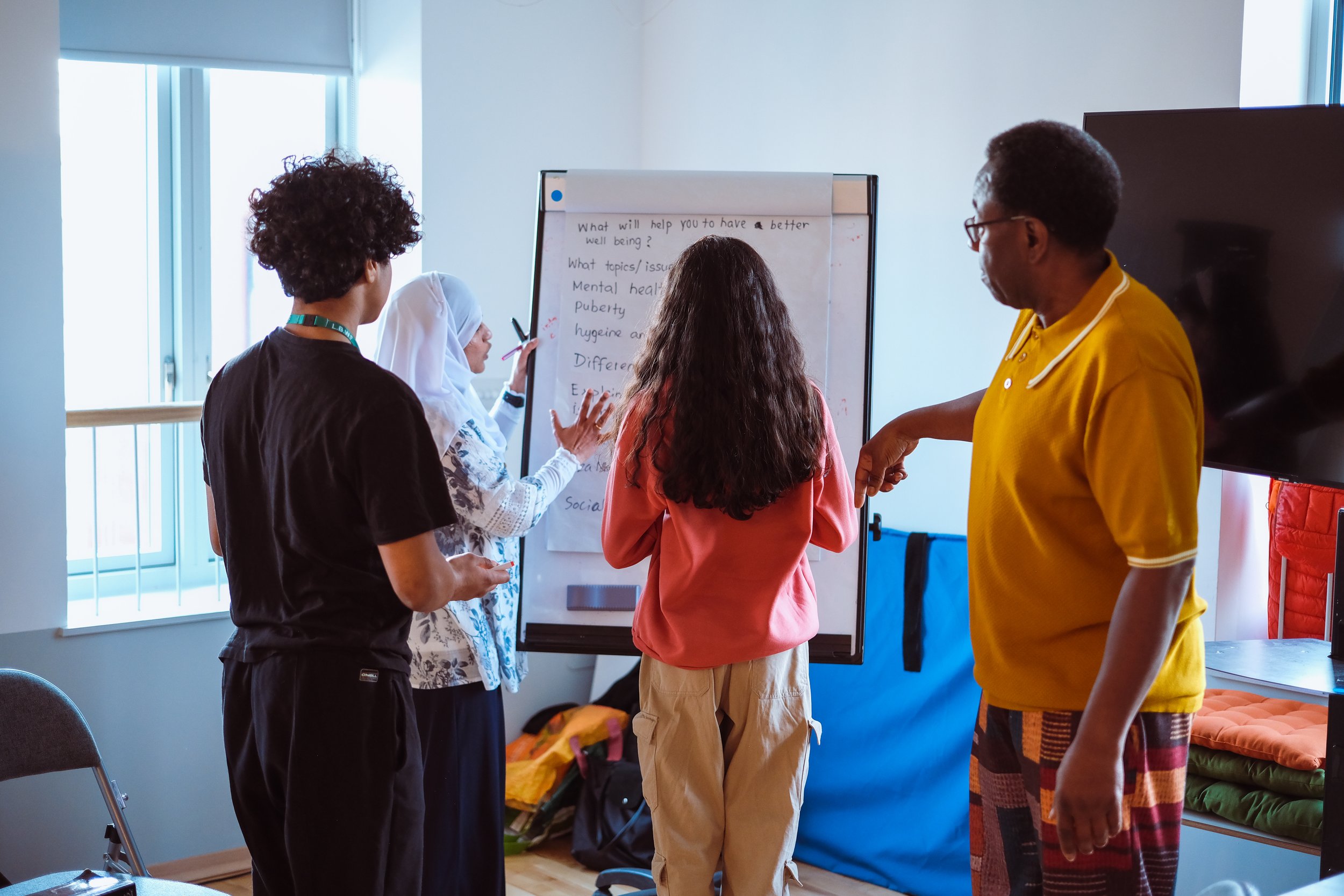
Creative Action Methods
Informed research & co-production.
Could the Mending Room be for you?
Imagine yourself in a playful, creative, learning environment along with a group of young people, parents, a council officer, a policy maker, a senior health manager, a clinician, a youth worker, a teacher, a social care worker, an academic, a researcher, an artist, an activist, and some other creative people all playfully collaborating together having fun, making mistakes, testing and trialling their ideas and prototypes around how they (as Menders) could improve neighbourhood mental health and wellbeing services so that they could be redesigned or reimagined for the future. All of this work will lead to a public exhibition sharing on the evening of the 13th August 2026.
Register now and join us for our first free week-long programme launch 11am - 4pm, Monday 10th - Friday 14th August 2026 at Raw Material.
Check out our Online Taster Sessions:
15th July
First session: 12pm - 1:30pm
Second session: 5:30pm - 7pm
Online via Zoom
OR
Check out our In-Person Taster Sessions:
16th July
Session 1: 12pm - 1:30pm
Session 2: 5pm - 7:30pm
Raw Material, 2 Robsart Street, London, SW9 0DJ
Registration opening soon.
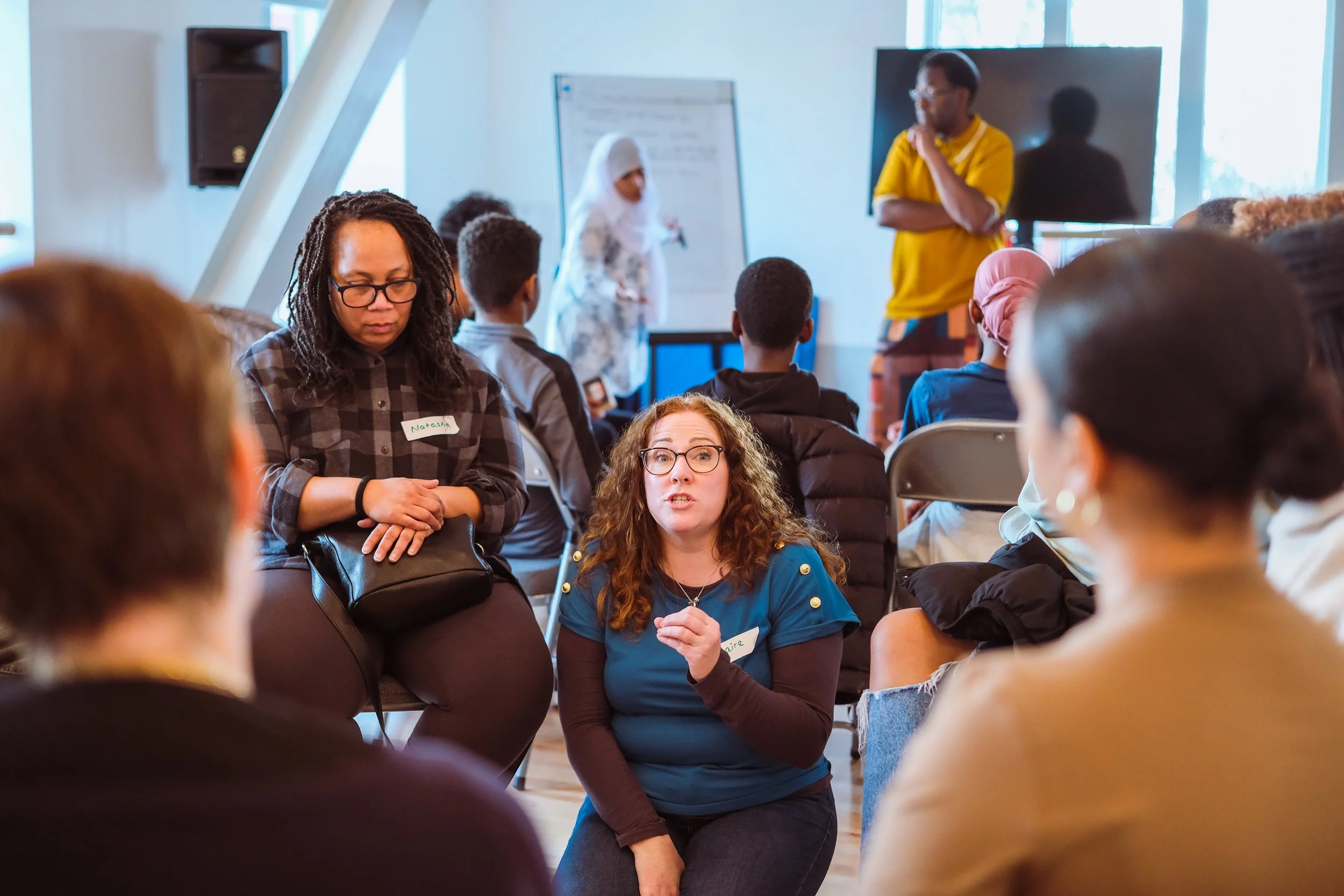
Collaborative Performance & Design Thinking Research Project
Using legislative theatre and speculative design thinking methods, Menders investigate key issues, develop ideas and test new approaches through collaborative workshops, performances, exhibitions and community conversations. The process encourages experimentation, dialogue and learning through doing.
The Mending Room has the potential to tackle inequality, bridge divides, build trust, centre marginalised voices, and transform power and privilege dynamics by taking our mending experiences into formal policy making spaces with the community and make recommendations on how the us & them relationship could be more collaborative to spark and address future collective policy making issues.
The Mending Room goes beyond consultation. It creates a space where lived experience actively informs policy development and contributes to wider conversations around system change and how mental health and wellbeing support can become more preventative, inclusive, community-based and responsive to the needs of young people and families.
Insights from this work help shape the ongoing iterations of the Mending Room and the development of 4C's programme and contribute to broader learning about Creative Health practice and community-led wellbeing support.
Why Mend?
So much of work happens around tables with straight lines and right angles where people discuss, debate and strategise, their clever logical, left brained selves the only ones invited to the party.
Working in this way we lose so much. We lose people’s originality, their creativity, their weirdness, their knowing, their intuition. And in doing so the people suffer and the work suffers. The people suffer because it saps their energy. And the work suffers because it’s created with only a fraction of the brilliance of the humans in the room.
In the Mending Room, we will test, learn and grow playful processes where menders bring their whole self to the task at hand. Good for people. Good for neighbourhoods and communities.
Ways we Mend
A session might begin with games or exercises to build solidarity amongst the menders, (it's a must!), then collaboratively, we get creative in the ways that address your concerns around ways to improve Children & Young People's Wellbeing services. We take your concern or the thing that matters to you, shake it around, turn it upside down and see what falls out. We look at it through the lens of mending, which might mean drawing on storytelling, improvisation, LEGO, model making, field visits, nature, singing and other creative metaphoric methods and approaches (to name a few).
Mending is not nostalgic. Mending things often look a bit different, maybe work differently, or have been mended to have a new life and function.
This isn't just Mending for mending sake, it's Mending in service of getting to a better, more inventive, creative, aligned solution and grounded in the menders evidence and values for ways to improve Children & Young People's Wellbeing services."
Other 4Cs programmes
-

Youth
Offering young people aged 11–19 the chance to create, experiment and develop their skills through a range of creative programmes at Raw Material’s studios and creative spaces.
-
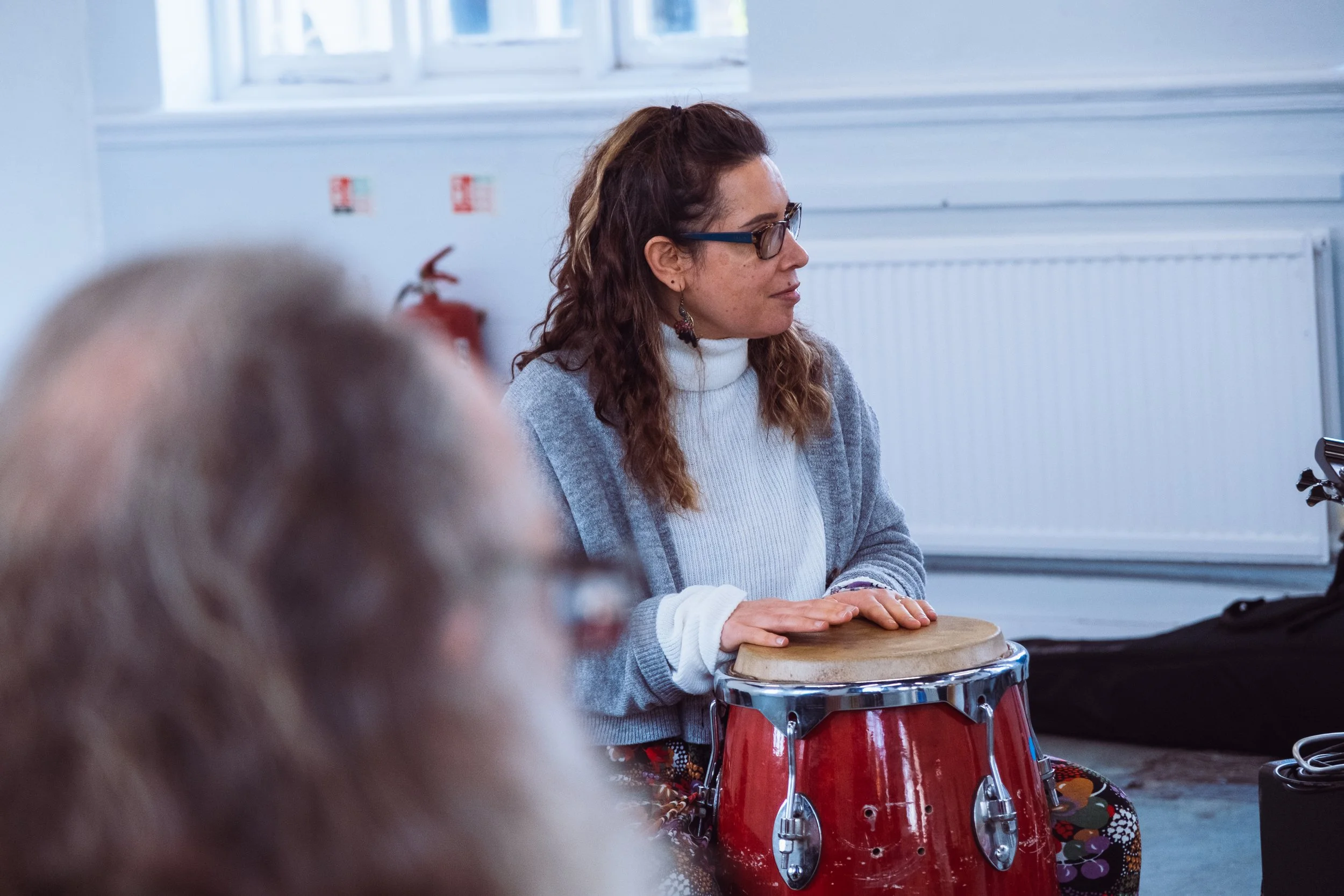
Living With Teenagers
Offering support for parents and carers of teenagers, recognising the important role families play in supporting young people’s emotional wellbeing.